Roof Deck Water Damage Repair Port Charlotte FL — Structural Plywood Replacement
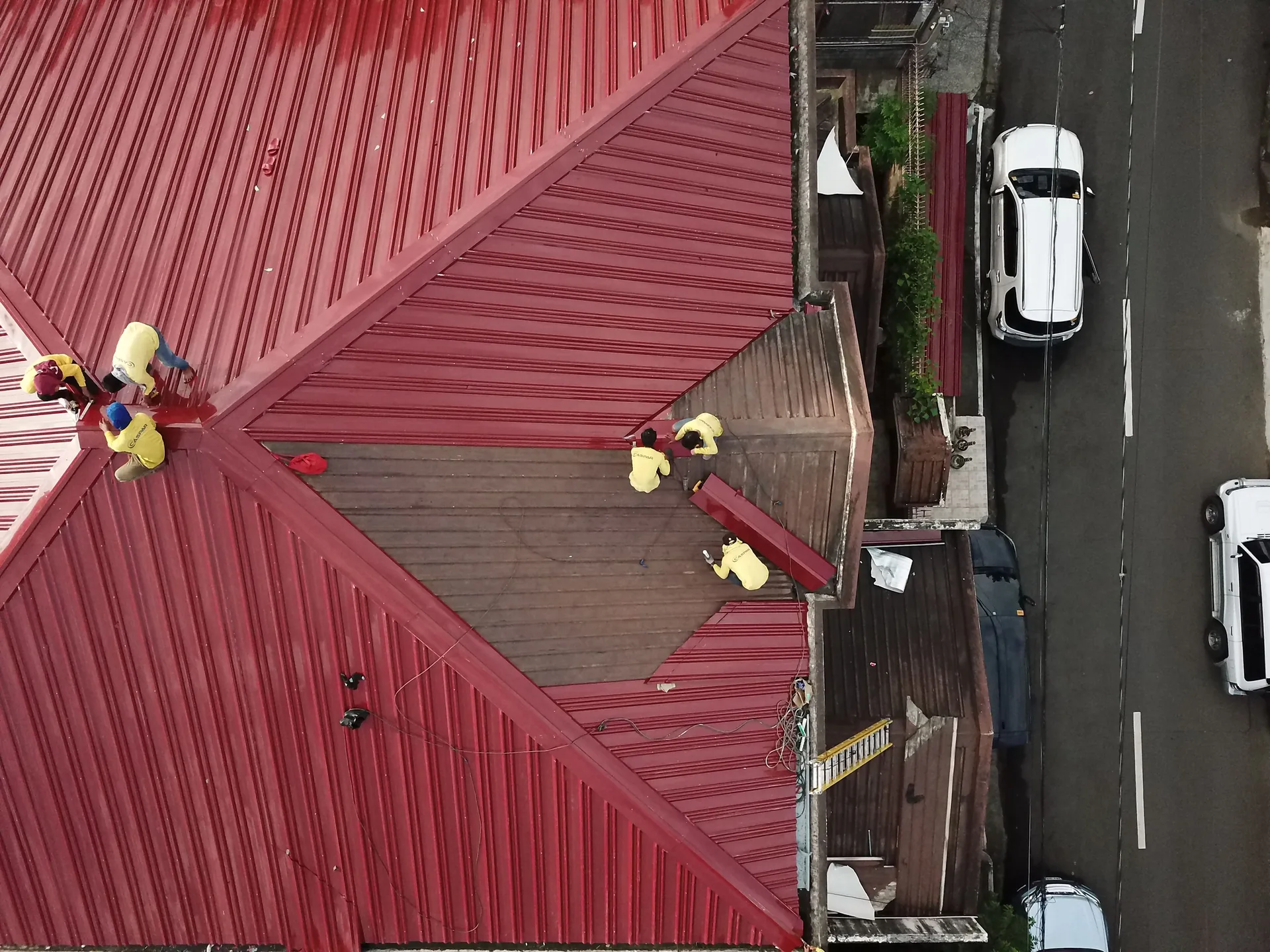
Beneath every layer of shingles or tile sits the roof deck — the plywood or OSB sheathing that forms the structural foundation of your roof system. When sustained water intrusion reaches the deck, it rots plywood layers, weakens rafter connections, and creates conditions for dangerous mold growth. We repair and replace water-damaged roof decking across Port Charlotte properties.
About Our Professional Roof Deck Repair Services in Port Charlotte FL
Roof decking is the load-bearing wood layer that supports your entire roofing assembly. When rain penetrates surface tiles or shingles, it soaks into the plywood. In Port Charlotte's humid environment, trapped moisture cannot evaporate, leading to wood rot, swelling, delamination, and sagging rooflines.
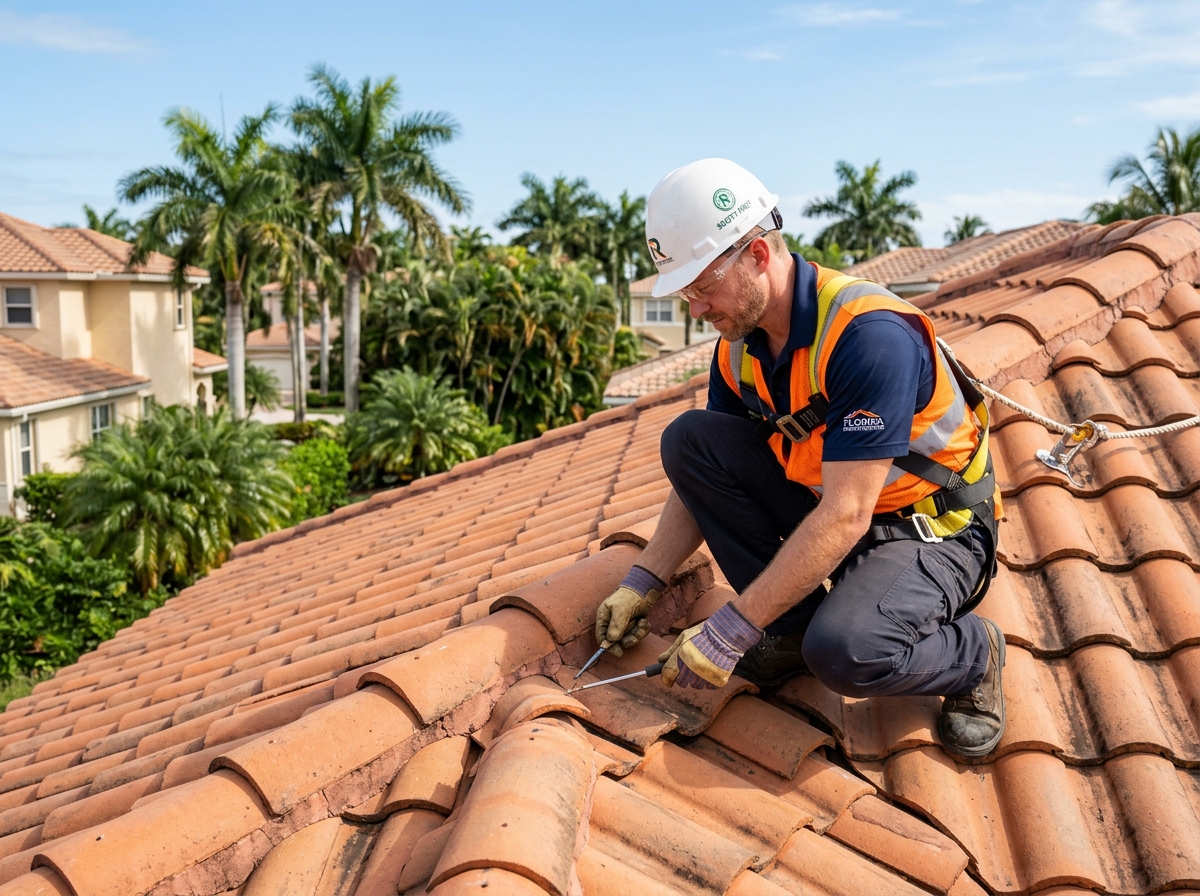
Our licensed Port Charlotte roof deck repair team handles complete structural deck restoration. As trusted licensed roofing contractors in Port Charlotte, we cut out rotted plywood sections back to structural trusses, sister damaged rafters, install 5/8" CDX plywood sheathing, and lay high-performance self-adhering underlayment membranes.
Signs Your Roof Deck May Be Damaged
Roof deck damage develops beneath the surface — hidden under shingles, tiles, or membrane — and often progresses significantly before becoming visible inside your home. These signs suggest your roof decking may be compromised.
Sagging or Dipping Visible on the Exterior Roof Surface
When plywood decking softens from sustained moisture, it loses load-bearing capacity. This produces visible dips, waves, or uneven rooflines that indicate the deck beneath has lost structural integrity.
Recurring Ceiling Stains Returning After Surface Repairs
When ceiling stains reappear after surface patching, it indicates the deck itself is saturated. Moisture stored inside damaged plywood continues to bleed through ceiling drywall even after surface leaks are fixed.
Musty or Moldy Odor in the Attic or Upper Rooms
Persistent dampness in the roof deck creates ideal conditions for wood-decay fungi and toxic mold. A musty odor in the attic signals that plywood has been absorbing water over an extended period.
Dark Staining or Soft Spots on Underside of Deck in Attic
Attic inspections reveal direct evidence: darkened plywood sheathing, water drip tracks, delaminated wood layers, and soft spots that flex under light pressure confirm active deck damage.
Deck Checks You Can Perform Safely
You can check for roof deck damage indicators safely around your property.
Look at Ceilings in Upper Rooms for Recurring Stains
Stains that reappear after drying — especially in identical spots — point to saturated decking above rather than a simple shingle leak.
Check the Attic for Musty Odors
A persistent damp smell in the attic indicates trapped moisture within the roof deck plywood or insulation in direct contact with the sheathing.
Observe the Roofline From the Yard for Sagging
Visible dips or uneven roof planes — especially between roof trusses — indicate softened plywood decking beneath the roofing material.
How Water Damage Progresses in a Roof Deck
Understanding the 3 stages of plywood sheathing decay under Southwest Florida weather conditions.
Stage 1: Moisture Absorption
Water entering through a failed pipe boot, lifted flashing, or cracked tile contacts the plywood deck. Initially, the wood absorbs moisture silently without visible interior symptoms. High Florida humidity prevents drying.
Stage 2: Delamination and Softening
Sustained moisture forces plywood glue layers to separate (delaminate), causing wood fibers to swell and soften. The deck loses structural rigidity, and fungal rot begins colonizing the wood surface.
Stage 3: Structural Compromise
The weakened deck can no longer support roofing material weight. Visible sagging occurs, nail fasteners pull free from rotten wood, and supporting rafters begin absorbing moisture from contact.
Why Surface Repairs Cannot Fix a Damaged Roof Deck
One of the most important principles in roofing is that surface repairs cannot fix a rotted deck beneath. Slathering roofing cement or replacing a single shingle over saturated, delaminated plywood leaves the underlying structural failure untouched — allowing rot and mold to continue spreading across roof rafters.
Proper deck restoration requires removing surface materials, cutting out rotted OSB or plywood back to solid framing, sistering compromised rafters, installing new 5/8" CDX plywood fastened to code, and laying self-adhered secondary water barriers before re-installing matched shingles or tiles.
For homeowners in Port Charlotte dealing with persistent leaks or roofline dips, a professional roof evaluation in Port Charlotte that includes thorough deck testing is essential for long-term structural safety.
How Roof Deck Repairs Are Completed
A technical 4-step workflow to inspect, cut out, and rebuild structural roof decking in Port Charlotte.
Map the Full Extent of Deck Damage
We probe the deck from above and from the attic to map the exact boundary of moisture damage — which is often larger than the visible leak point as water travels along wood framing.
Remove Roofing Surface Materials
Shingles, tiles, or membrane across the damaged section are removed to expose the sheathing. Intact surrounding tiles or shingles are set aside for careful re-installation.
Cut Out & Replace Damaged Plywood
Compromised plywood is cut back to solid structural trusses. New CDX plywood of matching thickness is installed, securely ring-shank nailed, and any softened rafters are sistered with new lumber.
Install Underlayment & Restore Surface
High-temp self-adhering underlayment is laid over the new deck section, lapped under existing underlayment, and matched roofing materials are reinstalled to complete the waterproof envelope.
Roof Deck Repair FAQ
Answers to common questions about rotted plywood, sagging rooflines, and structural decking replacement in Port Charlotte.
How do I know if my roof deck is damaged beneath the shingles or tiles?
Common indicators include a sagging or dipped roof surface, soft spongy spots underfoot, persistent ceiling stains that reappear after surface repairs, musty attic odor, and visible darkening or delamination on the underside of plywood sheathing in the attic.
Can damaged roof decking be repaired or does it need full replacement?
It depends on the severity. Minor surface moisture without rot can be dried and treated, but sections where plywood has delaminated, developed black mold, or lost structural integrity must be cut back to rafters and replaced with new CDX plywood or OSB.
What causes roof decking to rot in Southwest Florida?
Sustained water intrusion from failed roof components — leaking wall flashings, cracked pipe boots, missing shingles, or broken tiles. In Port Charlotte's high humidity, trapped water cannot evaporate, accelerating wood rot and fungal growth.
How long can a roof deck hold moisture before serious damage occurs?
In Florida's warm climate, wood decay fungi and mold begin colonizing damp plywood within 24 to 48 hours. Structural delamination typically occurs within weeks of continuous moisture exposure.
Does homeowner insurance cover roof deck water damage repair?
Coverage depends on the cause of the leak. Sudden storm or hurricane wind damage is typically covered, whereas neglected long-term leaks may be subject to policy limitations. We document all structural deck damage for insurance claim verification.
Related Structural Repair Services in Port Charlotte
Roof deck repairs often involve related structural components. Explore related services for more information.
Finding the Leak Before Deck Damage Spreads
Attic thermal imaging moisture tracing and leak origin detection. Learn More →
Storm-Related Deck Damage Repair
Replacing decking crushed by fallen branches or wind uplift. View Details →
Emergency Structural Response
Immediate 24/7 tarping over exposed rotted decking sections. Read More →
Pipe Boot Failures Causing Deck Damage
Replacing rotted sheathing around leaking plumbing vent pipes. Read More →
Serving All 7 Port Charlotte ZIP Codes for Roof Deck Repair
We dispatch structural roof repair technicians daily across all Port Charlotte neighborhoods as well as Punta Gorda structural decking jobs, North Port FL, and Englewood FL.
Concerned About Roof Deck Water Damage? Have the Structure Inspected
If you're dealing with persistent leaks, sagging rooflines, recurring ceiling stains, or musty attic odors — contact us for a thorough evaluation of your roof structure, including plywood sheathing, underlayment, and supporting trusses.
Ready for Expert Roof Deck Water Damage Repair in Port Charlotte?
Get your structural roof deck inspected by licensed local contractors. We provide 5/8" CDX plywood replacement, rafter sistering, synthetic underlayment lapping, and 10-year structural warranties.