Roof Maintenance Near Charlotte Harbor Preserve State Park: Protecting Coastal & Estuarine Homes
Published on August 25, 2026 · By Roof Repair Port Charlotte FL · 6 min read
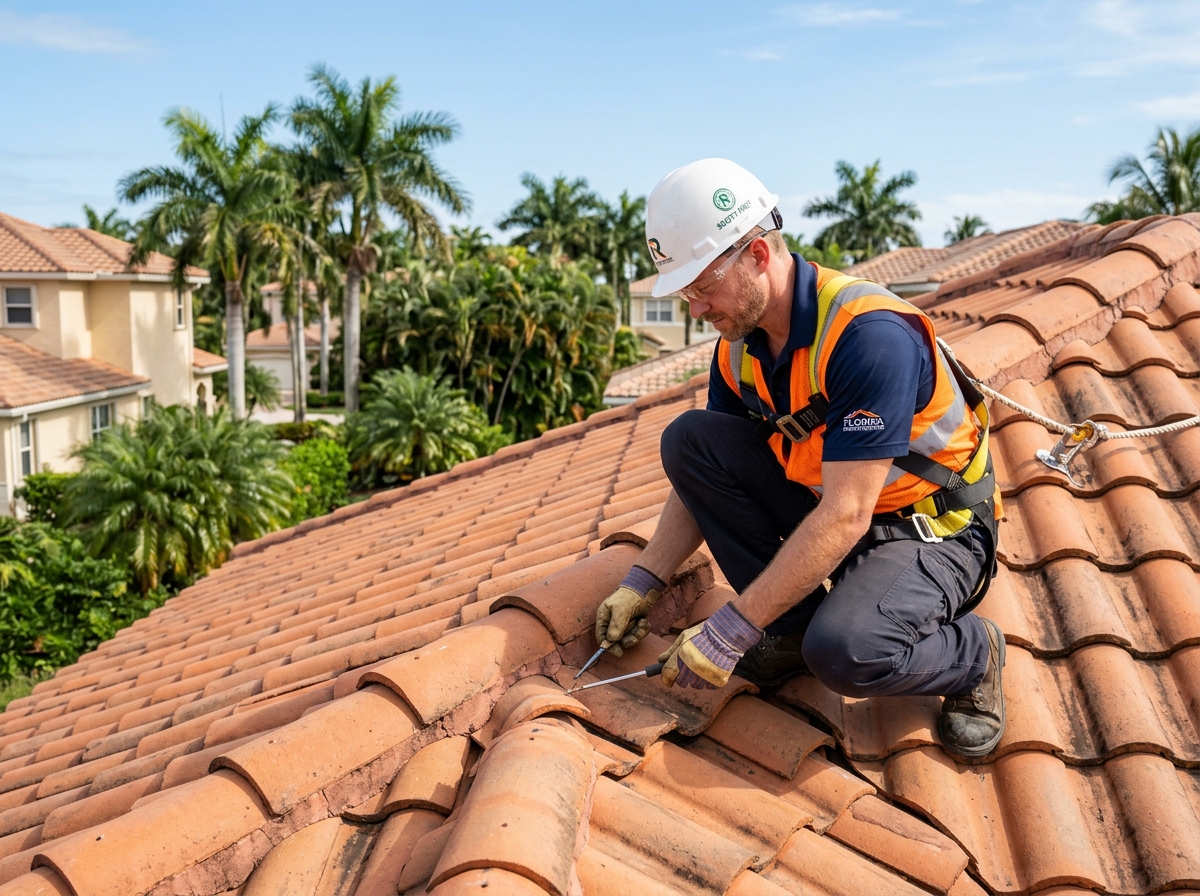
Spanning over 45,000 acres of protected mangrove swamps, salt marshes, pine flatwoods, and coastal estuarine waters, Charlotte Harbor Preserve State Park is one of Florida's largest state parks. Surrounding communities like Port Charlotte, Punta Gorda, El Jobean, Harbour Heights, and South Gulf Cove enjoy unmatched natural beauty, wildlife viewing, and waterfront living.
However, living directly adjacent to Charlotte Harbor's protected estuarine ecosystems introduces a distinct set of atmospheric and weather conditions that directly impact residential roofing systems. From continuous salt fog to heavy organic canopy debris, coastal homes require proactive roof maintenance to prevent premature failure and hidden water intrusion.
1. Estuarine Marine Salt Fog & Flashing Oxidation
Unlike inland properties shielded by miles of urban development, homes bordering Charlotte Harbor Preserve State Park are continuously exposed to airborne salt mist carried by morning sea breezes and tidal humidity. While salt spray is highest directly on Gulf beaches like Manasota Key, Charlotte Harbor's 270-square-mile estuarine basin generates persistent marine fog containing fine sodium chloride crystals.
Over 5 to 8 years, airborne salt mist settles into metal roof junctions, accelerating oxidation on:
- Galvanized Step Flashings: Installed along roof-to-wall intersections, corroded step flashings develop microscopic pinhole leaks that allow water behind exterior siding into attic framing. Learn more on our roof flashing repair guide.
- Open Valley Liners: Galvanized or painted steel valley pans rust along seam folds, letting heavy rain bypass shingles into plywood decking.
- Drip Edge Profiles: Salt-crusted aluminum drip edges pit and oxidize, breaking the perimeter seal where shingles overhang the fascia board.
2. Mangrove & Pine Flatwoods Canopy Debris Trapping
Properties adjacent to the preserve often feature mature slash pine, longleaf pine, live oak, and mangrove canopies. During summer afternoon rainstorms and winter cold fronts, tree limbs shed needles, leaves, and organic pollen onto roof surfaces.
When pine needles lodge in roof valleys, behind chimney crickets, or inside rain gutters, they create dense damp mats. These organic debris traps retain moisture against shingle granules for days after a rainstorm, softening asphalt coatings and causing wood deck decay underneath. Clearing valleys and inspecting roof decking for water damage is essential for preserve-adjacent homes.
3. Open Harbor Wind Shear & Convective Squalls
Charlotte Harbor's vast open water body acts as a thermal engine during Florida's summer wet season. Thunderstorms moving across Charlotte Harbor build strong convective wind gusts and squall lines before hitting shoreline properties in Punta Gorda Isles, Port Charlotte, and South Gulf Cove.
Uninhibited coastal winds create powerful suction along roof eaves and rake edges. Over time, repeated wind shear lifts shingle tabs, unseals self-adhering strip adhesives, and dislodges concrete hip tiles. If unaddressed, subsequent rainstorms force water under lifted tabs, causing active leaks. View our specialized shingle roof repair services for coastal tab re-sealing.
4. High Solar UV & Rubber Pipe Boot Degradation
Unshaded coastal roofs near the preserve absorb extreme solar ultraviolet (UV) radiation year-round. While asphalt shingles and concrete tiles are engineered for UV exposure, secondary roof components are far more vulnerable. Neoprene rubber collars surrounding plumbing exhaust vent stacks bake, crack, and split after 7 to 10 years of intense Florida sun. A split pipe boot is one of the most common causes of isolated interior ceiling stains in Port Charlotte homes. Explore our vent and pipe boot collar replacement options.
Essential Maintenance Checklist for Homes Near Charlotte Harbor Preserve
Proactive 6-Month Roof Care Checklist:
- Bi-Annual Valley & Gutter Cleanout: Remove accumulated pine needles, mangrove leaves, and organic debris after spring and fall storm cycles.
- Visual Flashing Inspection: Inspect step flashings, valley lines, and chimney aprons for rust spots or sealant separation.
- Plumbing Boot Check: Verify neoprene boot collars around plumbing stacks are free of cracks or dry rot.
- Post-Storm Shingle Audit: Look for raised, cracked, or missing shingle tabs after severe summer convective squalls.
- Professional Inspection: Schedule a comprehensive professional roof inspection before hurricane season begins.
Protect Your Coastal Home with Local Charlotte County Roofing Specialists
Living near Charlotte Harbor Preserve State Park offers an extraordinary Florida lifestyle, but your roof requires dedicated attention to withstand salt air, moisture, and storm gusts. If you notice ceiling discoloration, loose shingles, or corroded flashings, contact Roof Repair Port Charlotte FL at (941) 431-5329 for a free, zero-obligation on-site roof inspection and written estimate.
Need a Roof Inspection near Charlotte Harbor?
Our team provides comprehensive roof leak diagnosis, storm damage repair, and maintenance across Port Charlotte, Punta Gorda, and surrounding Charlotte County communities.
Call (941) 431-5329 Get Free Estimate