
Charlotte County Roof Storm Prep Guide: Pre-Hurricane Inspection & Leak Prevention
Published on August 25, 2026 · By Roof Repair Port Charlotte FL · 7 min read
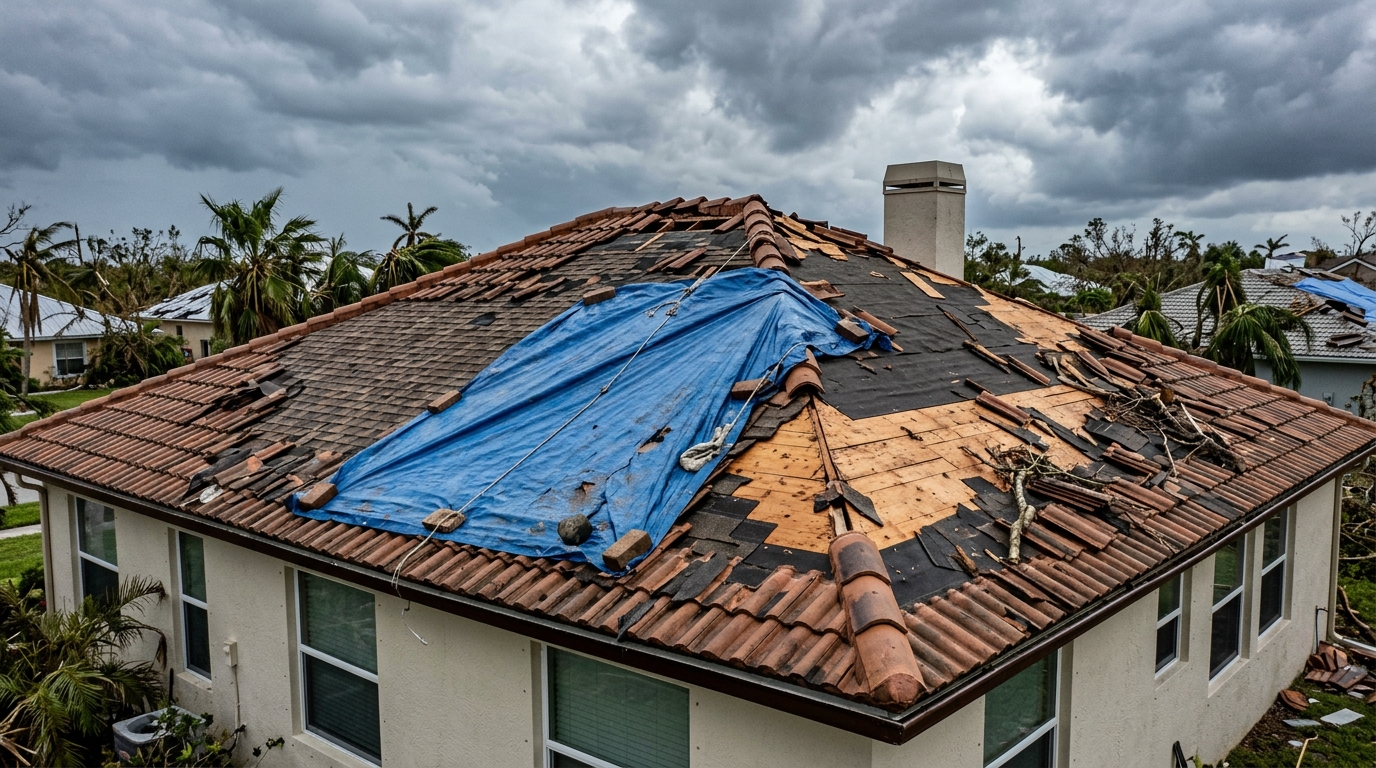
Every year, Charlotte County homeowners face the realities of Atlantic hurricane season. From severe afternoon summer thunderstorms to major tropical systems like Hurricanes Charley, Irma, Ian, and Milton, Southwest Florida roofs absorb intense wind uplift, torrential rain downpours, and flying tree branch impacts.
Your roof is your home's primary defensive barrier against storm damage. A single missing shingle tab, cracked ridge tile, or corroded flashing line can allow hundreds of gallons of wind-driven water into your attic during a major storm, leading to collapsed ceiling drywall, soaked insulation, and costly mold remediation.
This comprehensive Charlotte County Roof Storm Prep Guide walks homeowners across Port Charlotte, Punta Gorda, Englewood, Rotonda West, Deep Creek, and South Gulf Cove through essential pre-storm inspection steps and proactive leak prevention measures.
1. Pre-Storm Inspection Checklist by Roofing Material
A. Architectural Shingle Roofs
Architectural 30-year asphalt shingles are the most common roofing material in Charlotte County residential subdivisions. Before high winds arrive, check for:
- Loose or Lifting Shingle Tabs: Thermal heat breaks sealant strips over time. Unsealed tabs catch hurricane winds and tear away easily. Read about our shingle repair and sealant tab replacement.
- Nail Pops & Exposed Fasteners: Thermal expansion causes roofing nails to back out through shingle surfaces. Exposed nail heads leak immediately under wind-driven rain.
- Granule Wash & Bald Spots: Heavy granule loss indicates aging asphalt that can no longer flex against strong winds.
B. Concrete & Spanish Tile Roofs
Concrete barrel tiles are widely installed across Punta Gorda Isles, Rotonda West, and waterfront estates. Key vulnerabilities include:
- Deteriorated Hip & Ridge Mortar: Mortar joints along tile ridge lines crack after 15 to 20 years. Cracked mortar permits high winds to lift cap tiles. View our specialized tile roof repair services.
- Cracked or Shifted Field Tiles: Broken tiles allow rainwater directly onto underlying modified bitumen or felt underlayments.
- Debris Blockages in Tile Water Channels: Leaves and moss in tile interlocking channels cause rainwater to back up underneath adjacent tiles.
C. Flat Lanai & Screened Enclosure Roofs
Patio extensions, sunrooms, and screened lanai additions feature low-slope SBS bitumen or TPO membranes. Check for:
- Ponding Water Marks & Seam Separation: Standing water weakens lap adhesives. Re-seal seams before tropical rains hit. See our flat roof leak repair guide.
- Fascia Tie-In Flashing Gaps: Where flat lanai roofs meet the main house slope, flashings must be tight to prevent wind-driven rain back-ups.
2. Critical Perimeter & Penetration Sealing
While roof slopes receive the most attention, storm leaks almost always originate at perimeter flashings and roof penetrations:
- Step & Chimney Counter-Flashings: Inspect step flashings along dormers and chimney aprons for rust or loose caulk. Explore our roof flashing repair options.
- Plumbing Exhaust Vent Boots: Neoprene rubber collars degrade under intense Florida sun. Replace cracked rubber stack boots before tropical storms strike. Learn more on our vent and pipe boot collar replacement guide.
- Rain Gutters & Downspouts: Clear pine needles and oak leaves from gutters. Clogged gutters trap thousands of pounds of water, overflowing into fascia boards and rotting underlying roof decking.
3. Tree Canopy Trimming Around Rooflines
Overhanging oak and pine branches pose a double threat during Charlotte County hurricanes. Strong gusts snap heavy limbs directly onto roof decks, puncturing plywood sheathing. Furthermore, low-hanging branches scrape protective mineral granules off shingles during normal summer windy days. Trim all tree branches back at least 6 to 10 feet from your roofline before storm season.
4. Post-Storm Action Plan: Safe Inspection & Rapid Tarping
Once a storm passes and local emergency management authorities confirm conditions are safe, perform a preliminary ground-level inspection of your home:
Immediate Post-Storm Steps:
- Ground-Level Perimeter Walk: Look for shingle tabs on the lawn, dislodged ridge tiles, bent metal flashings, or fallen tree limbs.
- Check Attic & Ceiling Interiors: Inspect attic spaces and upper-story ceilings for wet insulation, water stains, or active dripping.
- Do NOT Climb Wet Roofs: Wet shingles and displaced tile underlayments are extremely slick and dangerous post-storm.
- Request Professional Emergency Response: Contact a licensed local contractor for rapid temporary tarping to prevent secondary water damage. Learn about our emergency tarping and storm damage response.
Schedule Your Pre-Storm Inspection Today
Don't wait until a hurricane warning is issued to check your roof's integrity. High demand and weather delays mean pre-storm repairs should be completed well in advance. Contact Roof Repair Port Charlotte FL at (941) 431-5329 today to book your free, thorough on-site roof evaluation and written report.
Prepare Your Charlotte County Roof for Storm Season
Our licensed roofing contractors inspect shingles, tiles, flashings, and decking across Port Charlotte, Punta Gorda, Englewood, and nearby areas.
Call (941) 431-5329 Get Free Inspection